

 Peptides
 Aminos
 Capsules
 Supplies
 Specialty


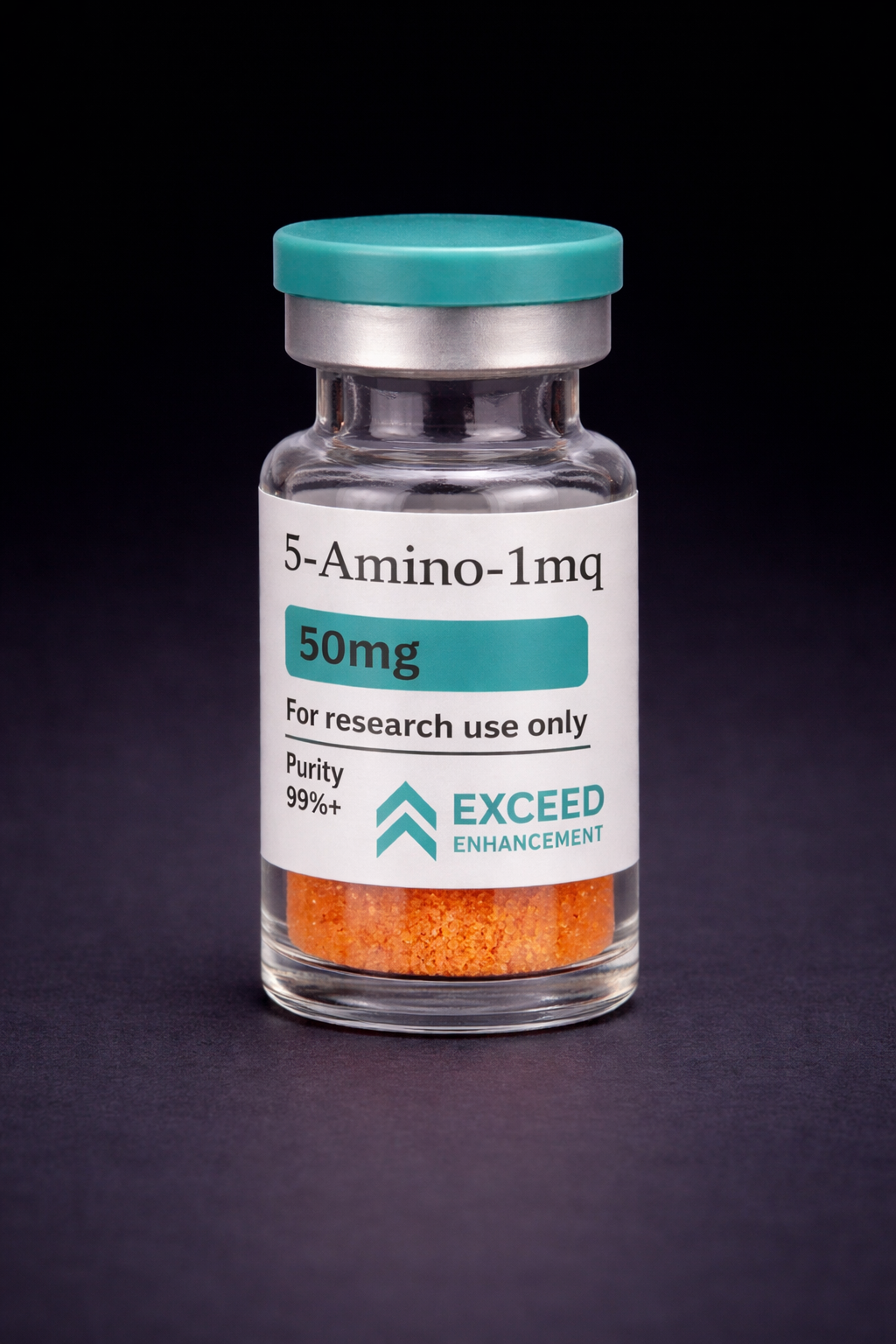
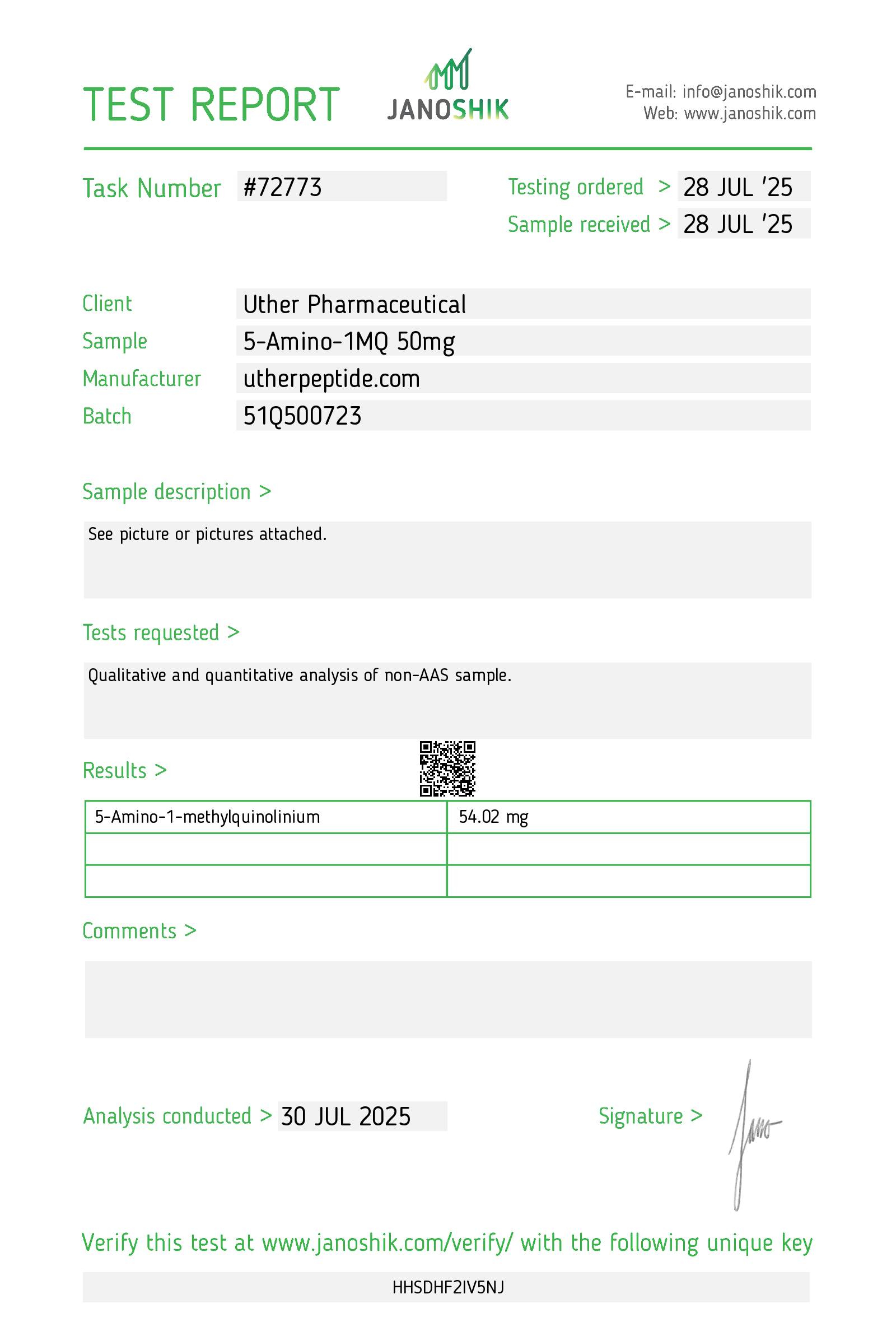
5-Amino-1MQ (5-amino-1-methylquinolinium) is a small-molecule inhibitor of nicotinamide N-methyltransferase (NNMT), an enzyme that plays a central role in cellular energy metabolism, adipogenesis, and NAD+ availability. It has attracted growing research interest as a metabolic modulator with potential applications in obesity, insulin resistance, and muscle metabolism research.
Research Background
NNMT catalyzes the methylation of nicotinamide (a precursor to NAD+) to produce 1-methylnicotinamide, consuming S-adenosylmethionine (SAM) in the process. This reaction reduces the cellular pool of NAD+ precursors and methyl donors, promoting fat storage and metabolic inefficiency. NNMT is notably overexpressed in adipose tissue of obese individuals, making it a compelling therapeutic target in preclinical metabolic research.
5-Amino-1MQ emerged from structure-activity relationship studies as one of the first cell-permeable, selective NNMT inhibitors suitable for in vivo research applications.
Areas of Active Research
- Fat Metabolism & Obesity: Preclinical studies in diet-induced obesity models show that NNMT inhibition with 5-Amino-1MQ reduces fat mass, decreases adipocyte hypertrophy, and improves metabolic markers without changes in food intake. Researchers have observed significant reductions in white adipose tissue and body weight gain.
- NAD+ Metabolism: By blocking NNMT, 5-Amino-1MQ increases the cellular availability of NAD+ precursors. Elevated NAD+ levels activate SIRT1 and other sirtuins, enzymes involved in mitochondrial biogenesis, energy expenditure, and longevity-related pathways.
- Insulin Sensitivity: Rodent studies suggest 5-Amino-1MQ treatment is associated with improved insulin sensitivity and glucose tolerance, positioning it as a research tool in type 2 diabetes models.
- Muscle Metabolism: Research has explored NNMT inhibition in skeletal muscle metabolism, with findings suggesting potential improvements in muscle energy utilization and mitochondrial function.
- Epigenetic Regulation: By consuming SAM in its catalytic cycle, NNMT competes with cellular methylation reactions. Inhibiting NNMT may help restore methyl donor availability, with downstream effects on DNA and histone methylation patterns relevant to metabolic gene expression.
Mechanism of Action
5-Amino-1MQ is a competitive inhibitor of NNMT, binding to the enzyme’s nicotinamide binding site to block the methylation of nicotinamide. This increases the flux of nicotinamide through the NAD+ salvage pathway, raising intracellular NAD+ levels. Elevated NAD+ activates SIRT1, promotes fatty acid oxidation, and reduces lipogenesis through PPAR-gamma and related transcription factors. Additionally, reduced SAM consumption by NNMT restores cellular methylation capacity.
Purity & Quality
Our 5-Amino-1MQ is manufactured to research-grade standards with >98% purity. Available in 50mg capsules for precise dosing in laboratory research protocols.
Read the full 5-Amino-1MQ Research Guide →
For research use only. Not for human consumption. Not intended to diagnose, treat, cure, or prevent any disease.
| Dose |
10mg ,50mg |
|---|
Related products
Glow70
$55.00
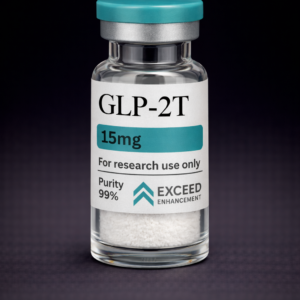
GLP-2 T
Price range: $30.00 through $90.00
Reviews
There are no reviews yet.