

 Peptides
 Aminos
 Capsules
 Supplies
 Specialty


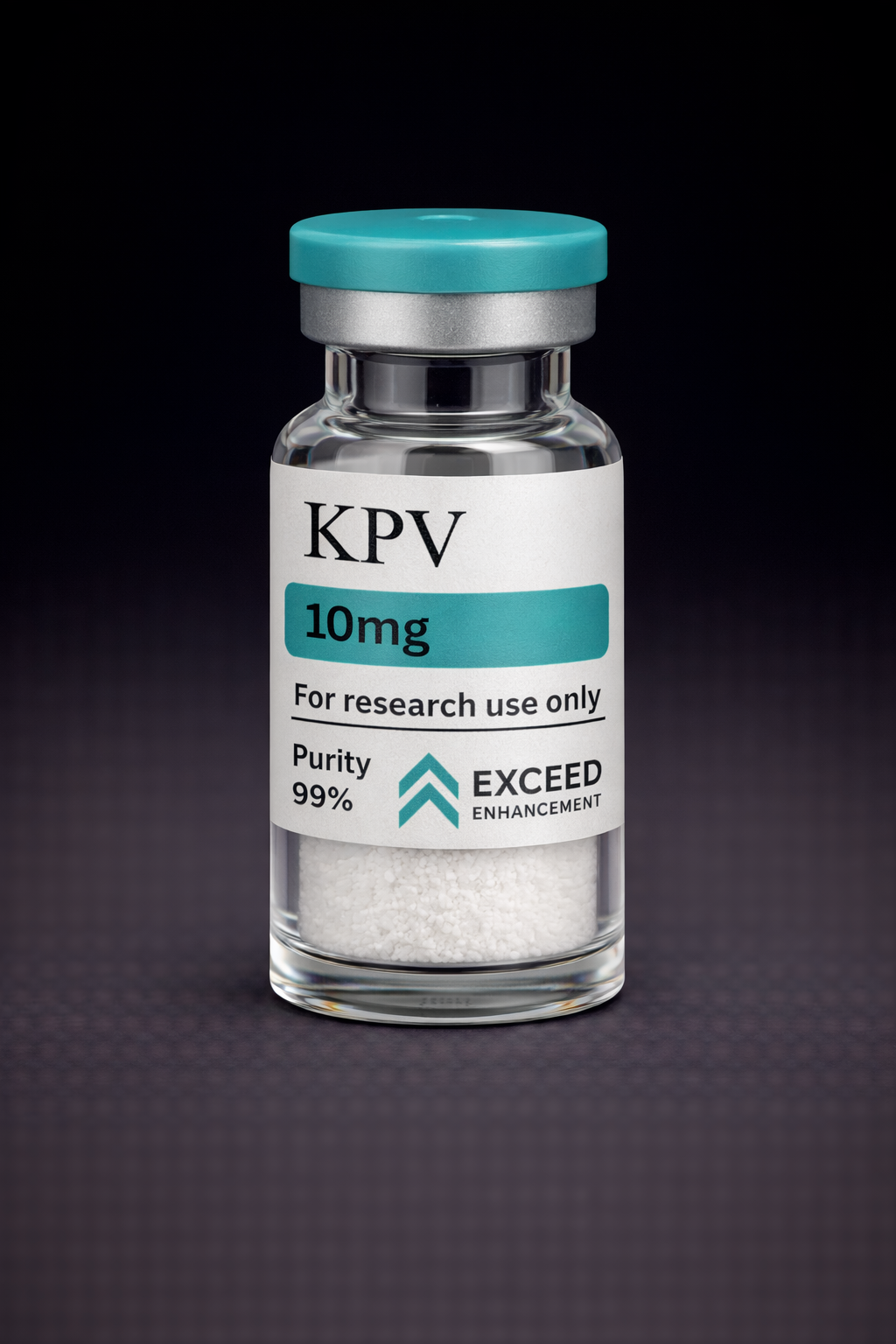
KPV
$25.00
10mg
In stock
KPV is a tripeptide comprised of the amino acids lysine (K), proline (P), and valine (V). It represents the C-terminal sequence of alpha-melanocyte-stimulating hormone (alpha-MSH) and is recognized as the biologically active anti-inflammatory fragment of that peptide. KPV has attracted significant research interest for its potent anti-inflammatory, antimicrobial, and gut-protective properties — without the melanocortin receptor-mediated pigmentation effects associated with the full alpha-MSH sequence.
Research Background
Alpha-MSH is a peptide hormone with broad anti-inflammatory activity mediated through melanocortin receptors (MC1R, MC3R). Research has established that the C-terminal tripeptide KPV retains the core anti-inflammatory activity of alpha-MSH while acting through mechanisms that may be partially receptor-independent, including direct cellular uptake. This makes KPV a cleaner research tool for studying inflammation independently of melanocortin signaling.
Areas of Active Research
- Intestinal Inflammation: KPV has been most extensively studied in the context of inflammatory bowel disease (IBD). Preclinical research demonstrates potent reduction of colonic inflammation, suppression of pro-inflammatory cytokines (TNF-alpha, IL-6, IL-1beta), and protection of gut barrier integrity in colitis models.
- Wound Healing: KPV has shown promotion of wound closure and anti-inflammatory activity at wound sites, making it a subject of interest in dermal repair research.
- Antimicrobial Properties: Studies indicate KPV exhibits direct antimicrobial activity against pathogens including Candida albicans and Staphylococcus aureus, independent of immune modulation.
- Systemic Anti-Inflammatory Activity: Beyond the GI tract, KPV has been studied for broad anti-inflammatory effects across organ systems, including models of sepsis and systemic inflammatory states.
- Cellular Uptake: KPV is notably small (tripeptide) and research has demonstrated it can be taken up directly by intestinal epithelial cells via the PepT1 transporter, enabling targeted local anti-inflammatory effects in gut tissue.
- Nanoparticle Delivery Research: KPV has been extensively studied in hydrogel and nanoparticle delivery systems for targeted colon delivery, representing a promising avenue for IBD therapeutic research.
Mechanism of Action
KPV’s anti-inflammatory effects are mediated via multiple pathways: binding to melanocortin receptors (MC1R/MC3R) where expressed, direct inhibition of NF-kB nuclear translocation (reducing pro-inflammatory gene expression), and suppression of the MAPK inflammatory signaling cascade. Its small size enables direct cellular internalization, allowing intracellular anti-inflammatory activity even in cells with low receptor expression.
Purity & Quality
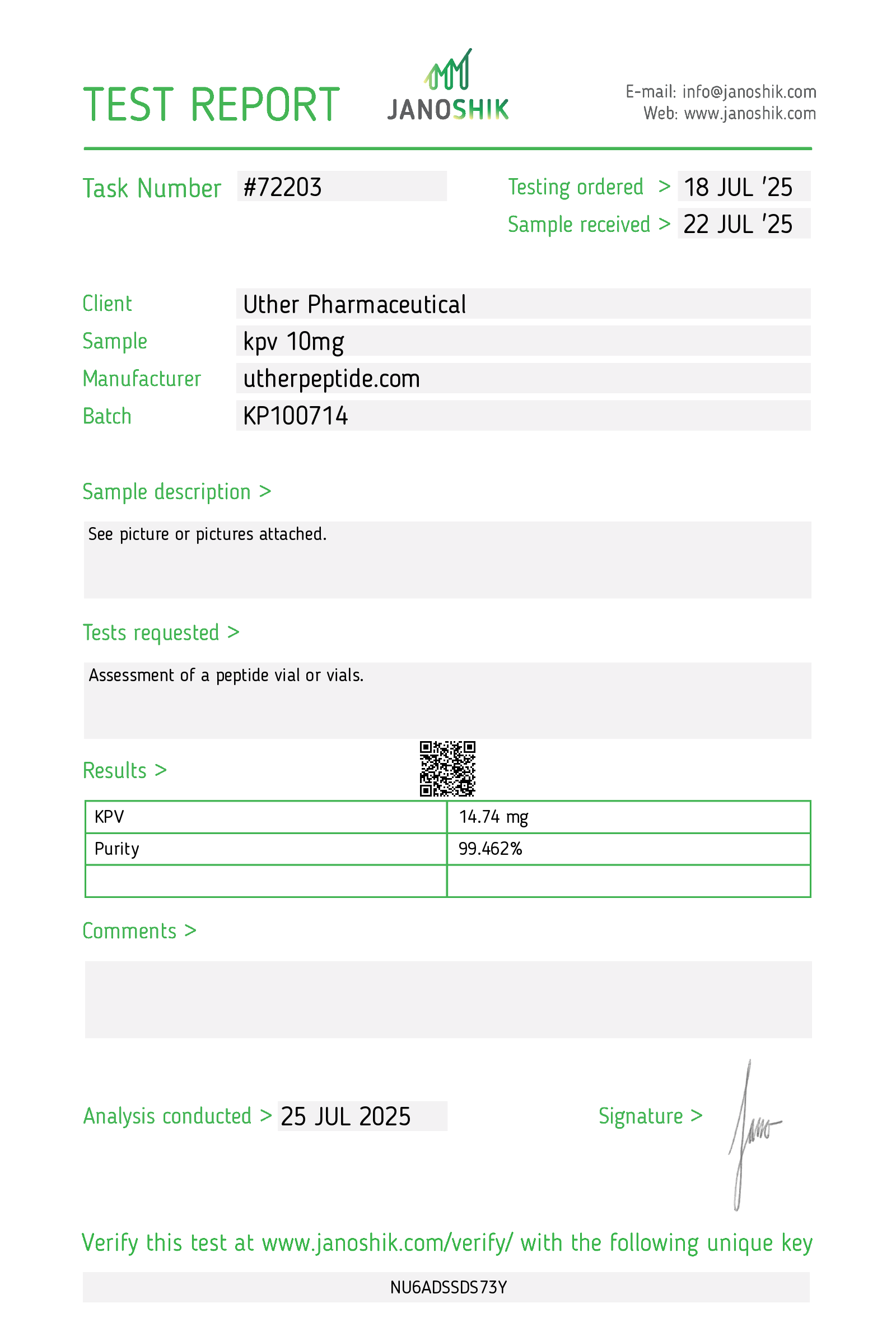
Our KPV is manufactured to research-grade standards with >98% purity verified by HPLC analysis. Each vial contains lyophilized peptide suitable for laboratory reconstitution and in vitro or in vivo research applications.
For research use only. Not for human consumption. Not intended to diagnose, treat, cure, or prevent any disease.
| Dose |
10mg |
|---|
Related products
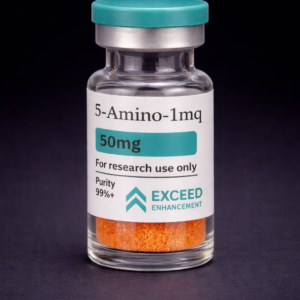
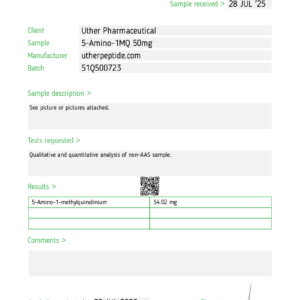
5-Amino-1mq
Price range: $25.00 through $45.00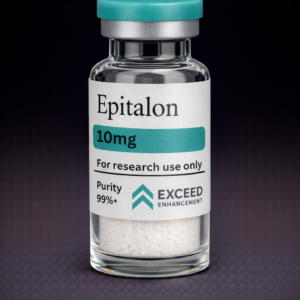
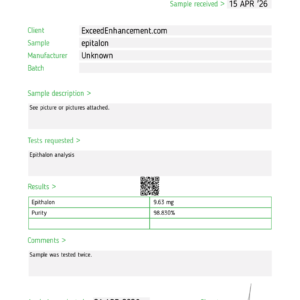
Epitalon
$25.00
Glow70
$55.00
Ipamorelin
$35.00
NAD+
Price range: $25.00 through $35.00
Reviews
There are no reviews yet.