

 Peptides
 Aminos
 Capsules
 Supplies
 Specialty


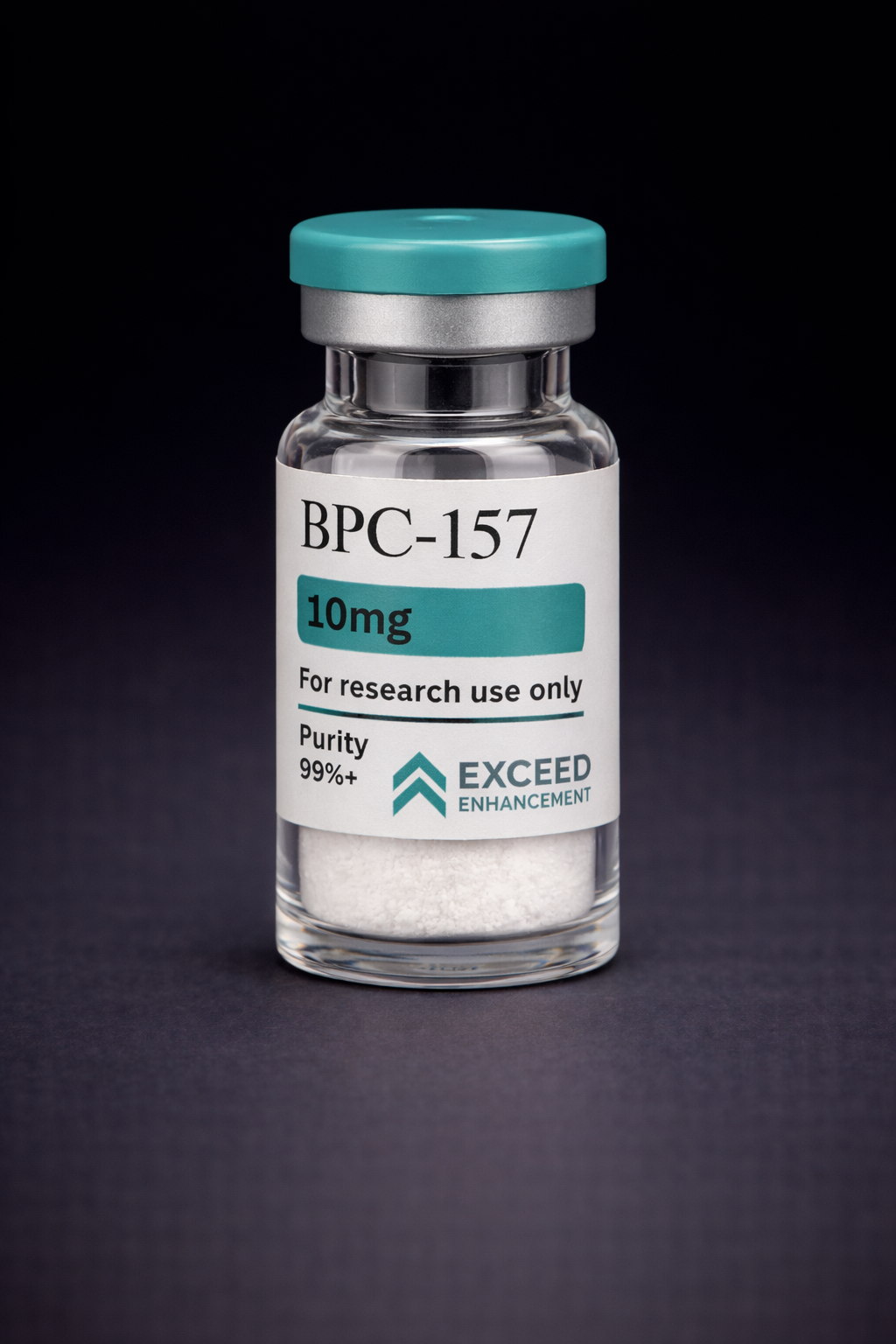
BPC-157 (Body Protection Compound 157) is a synthetic pentadecapeptide comprised of 15 amino acids, derived from a partial sequence of human gastric juice protein BPC. It has been the subject of extensive preclinical research over the past three decades, demonstrating a remarkably broad profile of tissue-protective and regenerative effects across multiple organ systems.
Research Background
Originally isolated from gastric juice, BPC-157 is notable for its exceptional stability in biological environments. Unlike many peptides, it retains activity even in the presence of gastric acid, making it a useful research tool across diverse delivery models. It does not carry a carrier protein in systemic circulation, allowing it to act directly at target tissues.
Areas of Active Research
- Musculoskeletal Healing: BPC-157 has demonstrated accelerated repair of tendons, ligaments, muscle, and bone in preclinical models. Studies show upregulation of growth hormone receptor expression in tendon fibroblasts and promotion of collagen organization during repair.
- Gastrointestinal Protection: Among the most replicated findings, BPC-157 protects the GI tract against NSAID-induced damage, alcohol-induced ulcers, and inflammatory bowel models. It promotes mucosal healing and gut barrier integrity.
- Angiogenesis: Research shows BPC-157 upregulates VEGF expression and promotes formation of new blood vessels at injury sites, accelerating tissue perfusion and repair.
- Neuroprotection: Preclinical studies have explored BPC-157 in traumatic brain injury, spinal cord injury, and peripheral nerve damage models. It appears to modulate dopamine and serotonin systems and has been studied in models of neurological and psychiatric conditions.
- Anti-Inflammatory Effects: BPC-157 has shown reduction in inflammatory markers across multiple organ models including liver, pancreas, and cardiovascular tissue.
- Nitric Oxide System Modulation: A key proposed mechanism involves BPC-157’s interaction with the nitric oxide (NO) system, supporting vascular tone and endothelial function.
Mechanism of Action
BPC-157 appears to exert its effects via multiple intersecting pathways: activation of the growth hormone receptor pathway, modulation of the FAK-paxillin signaling cascade (promoting cell migration and wound repair), upregulation of VEGF and angiogenic factors, and interaction with the NO-synthase system. Its pleiotropic effects across organ systems are consistent with its role as a systemic protective peptide.
Purity & Quality
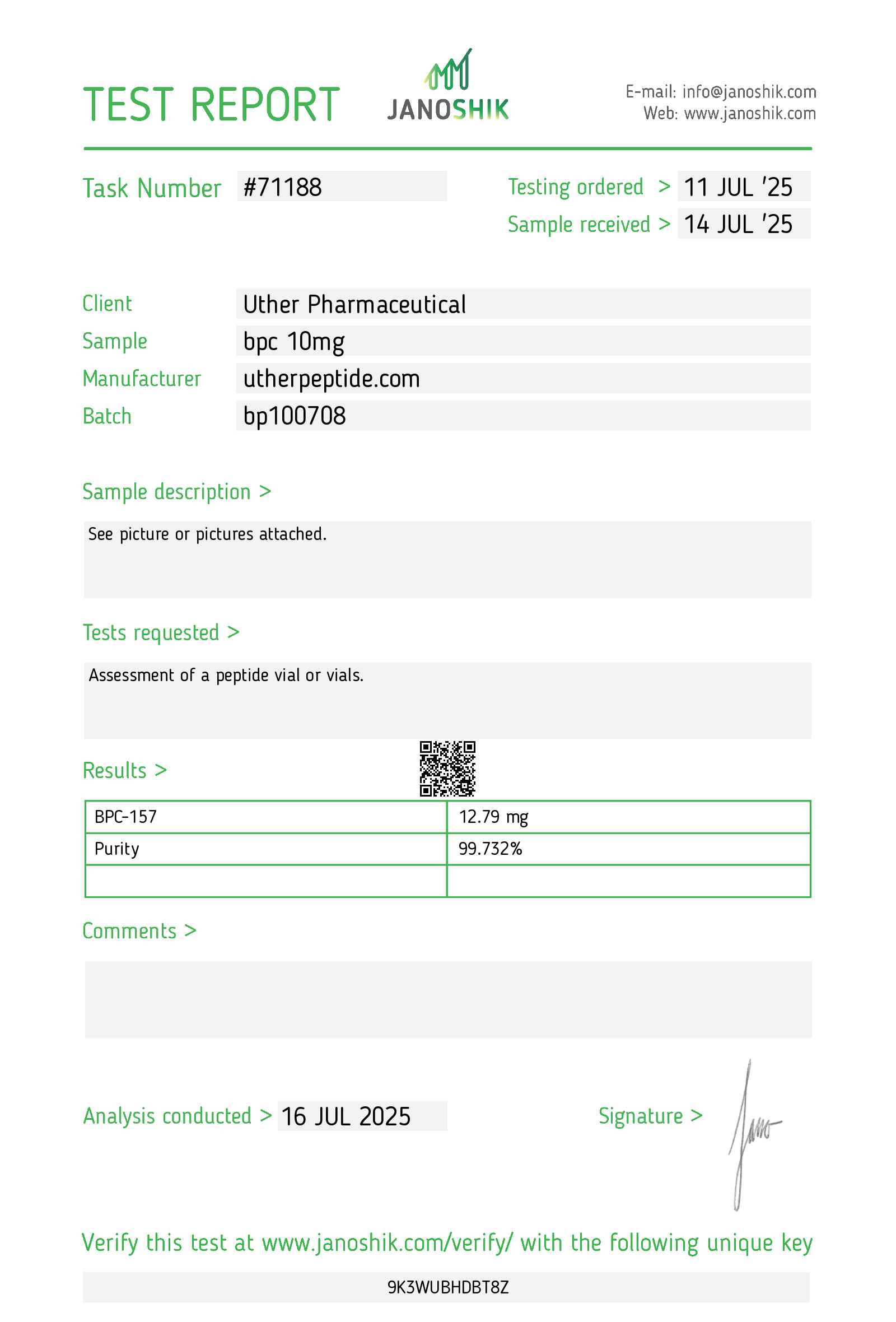
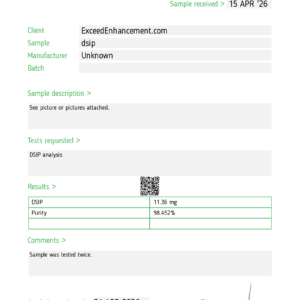
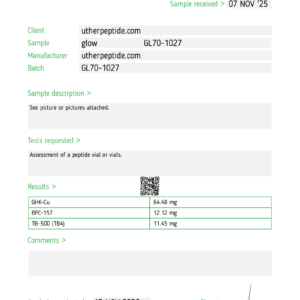
Our BPC-157 is manufactured to research-grade standards with >98% purity verified by HPLC analysis. Each vial contains lyophilized peptide suitable for laboratory reconstitution and research applications.
Read the full BPC-157 Research Guide →
For research use only. Not for human consumption. Not intended to diagnose, treat, cure, or prevent any disease.
| Dose |
10mg ,5mg |
|---|
Reviews
There are no reviews yet.