

 Peptides
 Aminos
 Capsules
 Supplies
 Specialty


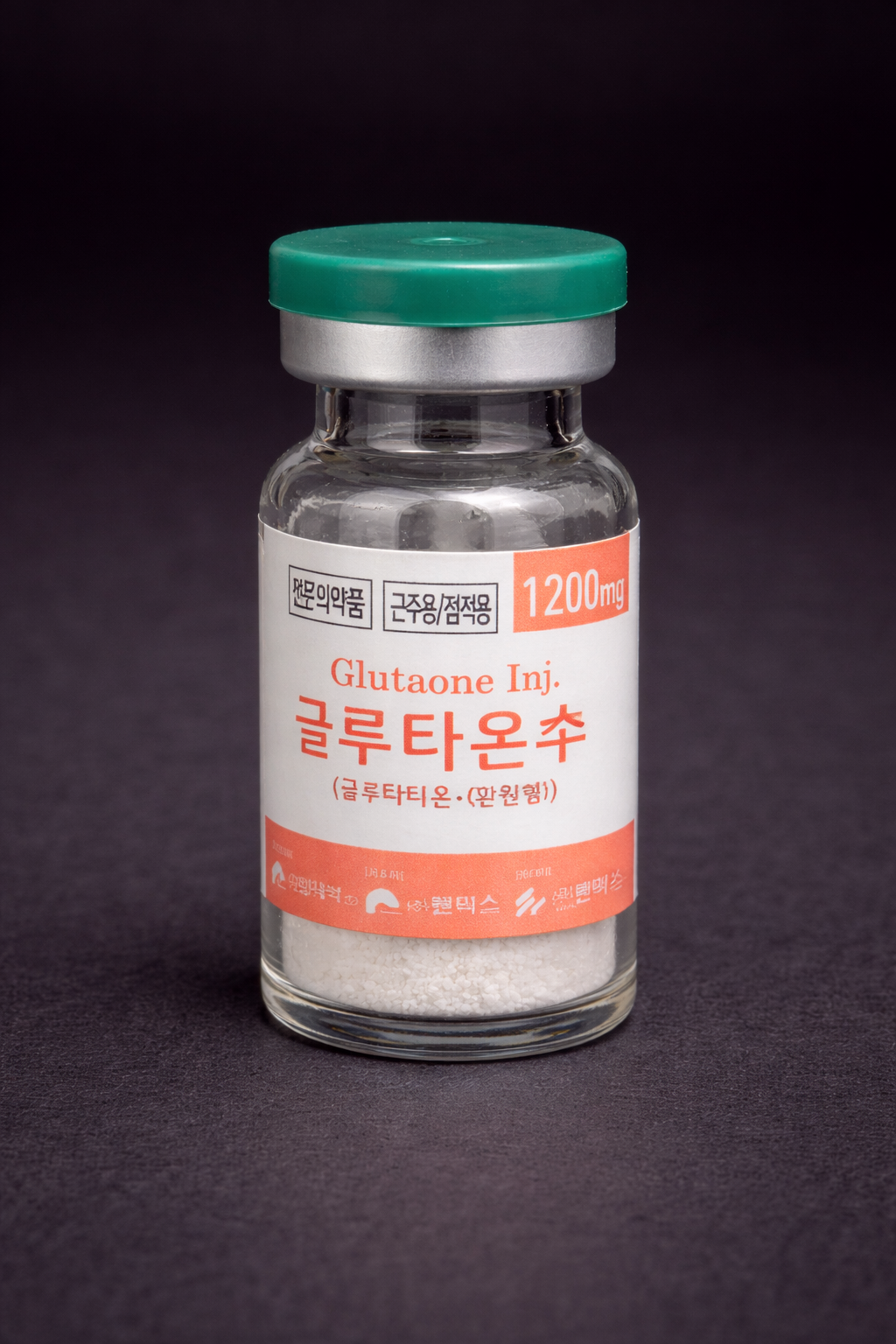
Glutathione (GSH) is a research-grade endogenous tripeptide composed of glutamic acid, cysteine, and glycine (γ‑Glu‑Cys‑Gly), widely recognized as the cell’s primary low-molecular-weight thiol antioxidant and a master regulator of intracellular redox homeostasis. Its unique γ‑glutamyl linkage confers resistance to standard peptidase cleavage, allowing GSH to function as a sustained redox buffer across cytosolic, mitochondrial, and nuclear compartments. As a research compound, glutathione is extensively investigated in models of oxidative stress, cellular detoxification, immune function, and mitochondrial metabolism.
Redox Homeostasis and Antioxidant Defense
- Serves as the principal substrate for glutathione peroxidase (GPx) and glutaredoxin systems, directly neutralizing hydrogen peroxide, lipid peroxides, and reactive oxygen species (ROS) generated during normal metabolic activity and under conditions of oxidative challenge.
- Maintained in its reduced form (GSH) by glutathione reductase and the pentose phosphate pathway NADPH supply; the GSH:GSSG ratio is a widely used research index of cellular redox status and oxidative load.
- GSH depletion models — including pharmacological (BSO, DEM) and genetic approaches — are well-established tools for studying oxidative stress-dependent disease mechanisms, with exogenous GSH supplementation used as a functional rescue control.
Phase II Detoxification and Xenobiotic Research
- Forms conjugates with electrophilic xenobiotics, heavy metals, and reactive metabolites via glutathione S-transferase (GST) enzymes, facilitating mercapturic acid pathway excretion — a key detoxification mechanism studied in hepatotoxicity, nephrotoxicity, and chemical carcinogenesis models.
- Investigated in liver research models for its role in protecting hepatocytes from drug-induced oxidative injury and in modulating cytochrome P450 enzyme activity under conditions of GSH insufficiency.
Mitochondrial Function and Apoptosis Research
- Mitochondrial GSH (mGSH) pools are maintained separately from cytosolic pools and are particularly critical for protecting respiratory chain complexes and mtDNA from ROS generated during oxidative phosphorylation; depletion of mGSH is associated with pro-apoptotic cristae remodeling and cytochrome c release in multiple model systems.
- Investigated as a functional intervention in models of mitochondrial disease, ischemia-reperfusion injury, and neurodegenerative conditions associated with impaired antioxidant capacity.
Immune Cell Redox Regulation
- Lymphocyte and macrophage function is highly sensitive to intracellular GSH status; research has demonstrated that GSH availability modulates T-cell proliferation, cytokine secretion profiles, and phagocytic oxidative burst regulation, making GSH a key variable in immunometabolism studies.
Purity and Presentation
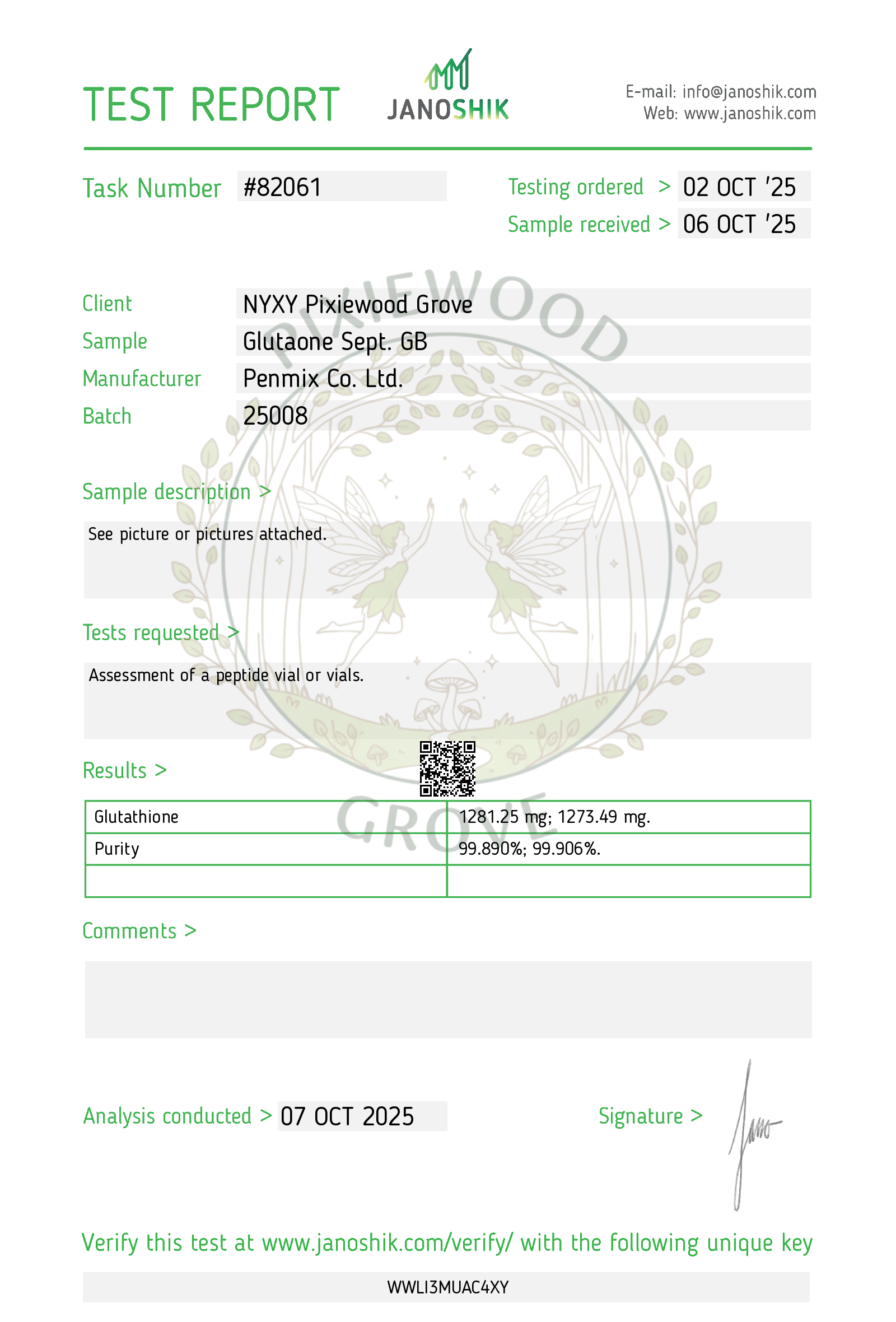
- Supplied as a lyophilized powder for research reconstitution. Verified ≥99% purity by HPLC. Third-party tested for identity and sterility.
For research purposes only. Not intended for human consumption, disease prevention, diagnosis, or any therapeutic use. This product is intended solely for in vitro and laboratory research.
Research Guide
For a detailed scientific overview of this compound, read our research guide.
Related products
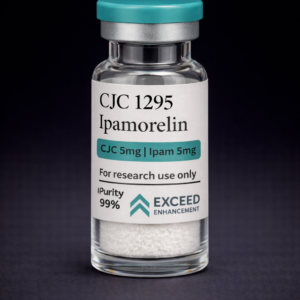
CJC + Ipamorelin
$35.00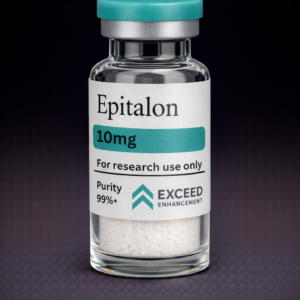
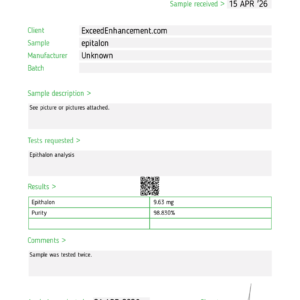
Epitalon
$25.00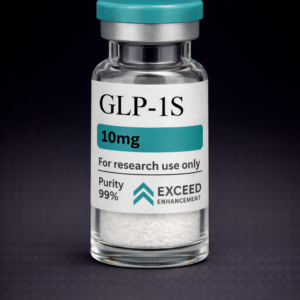
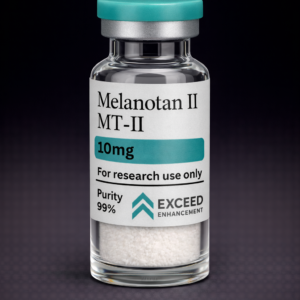
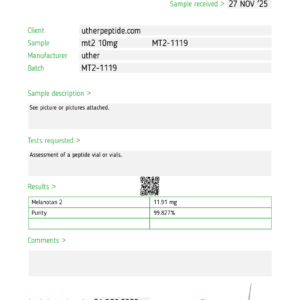
Melanotan-II
$35.00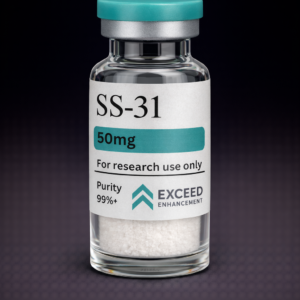
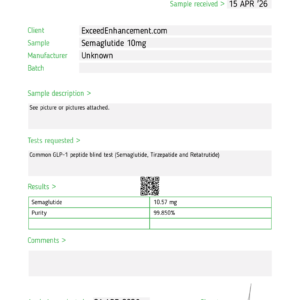
SS-31
Price range: $30.00 through $85.00
Reviews
There are no reviews yet.