

 Peptides
 Aminos
 Capsules
 Supplies
 Specialty

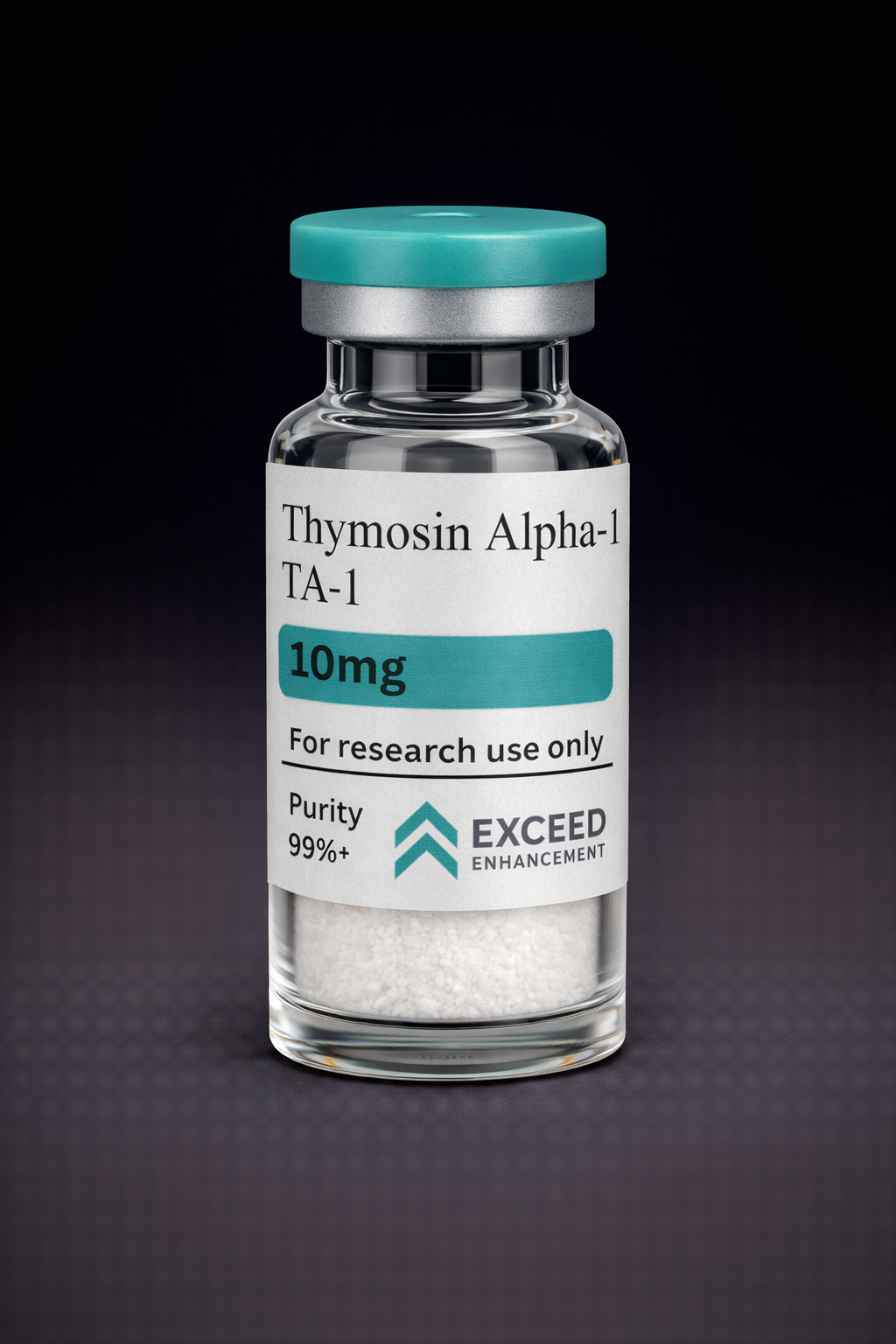
Thymosin alpha‑1 (Tα1) is a research-grade 28–amino acid peptide originally isolated from thymic tissue, widely studied for its ability to enhance, rebalance, and restore immune function in models of infection, cancer, and immune deficiency. It acts pleiotropically on multiple innate and adaptive immune cell subsets, rather than targeting a single pathway, making it a versatile tool in immunology research.
Immune Modulation And Anti-Infective Research
Promotes maturation and activity of T lymphocytes, dendritic cells, and natural killer cells, increasing CD4⁺ and CD8⁺ T-cell responses, IL‑2 receptor expression, and cytotoxic activity against virally infected cells.
Modulates Toll-like receptor signaling in myeloid and plasmacytoid dendritic cells, driving antiviral cytokine production while helping restore immune balance in states of immunosuppression, such as chronic viral infections or severe systemic inflammation.
Anti-Inflammatory And Cytokine-Balancing Effects
Downregulates pro-inflammatory mediators such as IL‑1β and TNF‑α while supporting more regulated cytokine profiles, which has shown benefit in models of chronic hepatitis, acute pancreatitis, and sepsis-like syndromes.
Recent analyses suggest Tα1 can alleviate cytokine storm and improve CD4⁺ T-cell counts, CD4⁺/CD8⁺ ratios, and infection outcomes in critically ill patients, highlighting its role as an immune homeostasis “reset” agent in research settings.
Oncology And Immunotherapy Adjuvant Studies
Functions as an immunotherapeutic adjuvant by enhancing tumor-directed T-cell and NK-cell activity, improving response rates and immune reconstitution when combined with chemotherapy or other anticancer agents in experimental and clinical oncology models.
Combination regimens with agents like interleukin‑2, interferons, or chemotherapy have demonstrated increased tumor control rates and improved immune cell profiles, supporting continued investigation of Tα1 in cancer immunotherapy research.
For research purposes only. Not intended for human consumption, disease prevention, or any therapeutic use.
Research Guide
For a detailed scientific overview of this compound, read our research guide.
Related products

Cagrilintide
$65.00
Epitalon
$25.00
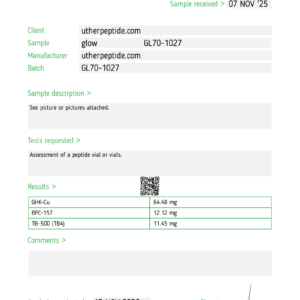
Glow70
$55.00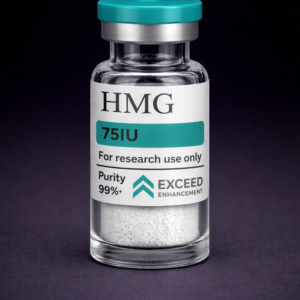
HMG
$25.00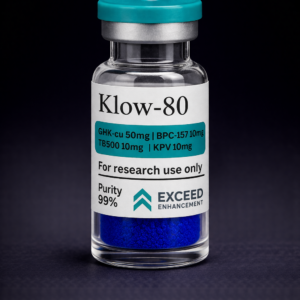
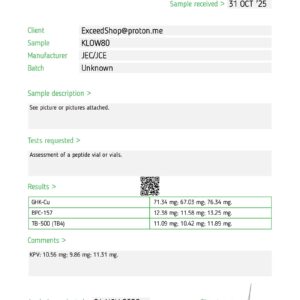
Klow80
$60.00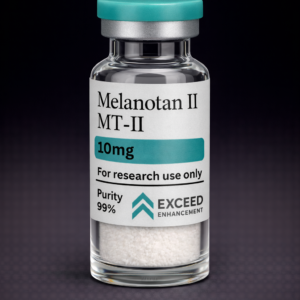
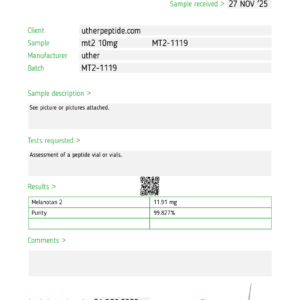
Melanotan-II
$25.00
Reviews
There are no reviews yet.